
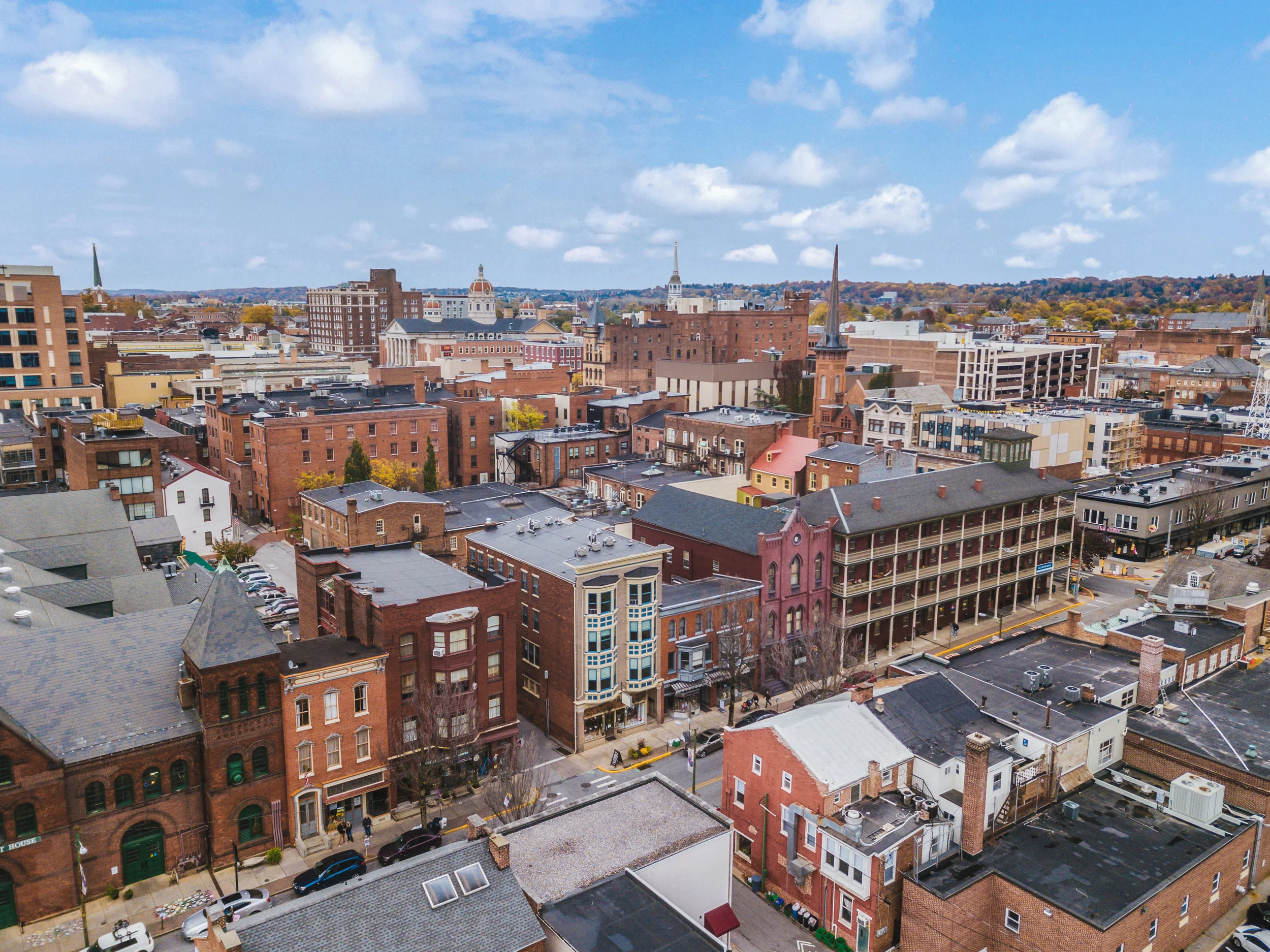
Your community's future is being built by the people already there
Their success or failure hinges on conditions most of them will never see — the networks that connect them to capital, the spaces where unexpected partnerships form, and the policies that either open doors or quietly keep them shut. Shaping those conditions is ecosystem building, and it's the most important economic development work most communities haven’t done yet.
The Problem
If you work in economic development, community investment, or entrepreneur support, you've probably felt a version of this: the research says build from the bottom up, be patient, invest in relationships and local capacity. Your institution says show results by Q4, hit these KPIs, and produce a report we can take to the board.
That tension isn't a failure of will. It's a structural mismatch between how local economies actually develop — organically, unevenly, over long time horizons, through thousands of small interactions — and how the organizations tasked with supporting them are designed to operate. Grant cycles run 1-3 years. Political cycles run 2-4 years. The work takes 20.
The result is a landscape full of well-intentioned programs that never quite add up to systemic change. Accelerators in cities that haven't built the ecosystem conditions to support what graduates need next. Coworking spaces that are really just rented desks. Innovation districts that import a building but not the culture. Capital programs that reach the entrepreneurs who already have networks, while the structural barriers that exclude everyone else remain untouched. Each initiative makes sense in isolation. What's missing is the connective tissue — the understanding of how these pieces relate across scales, from the neighborhood to the region, and what conditions need to be in place for any of them to work.
Services

Background Research (Downloadable Resource)
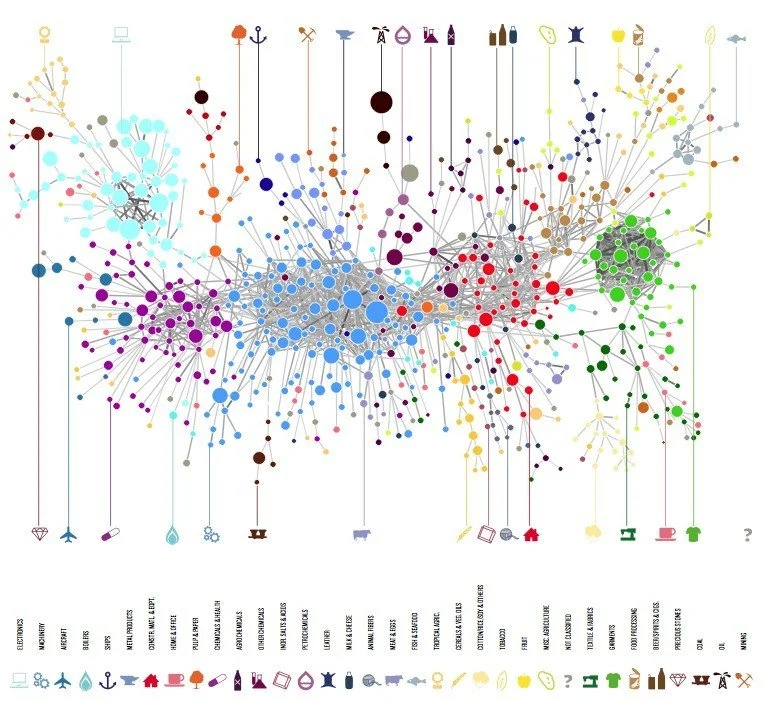
"Building Local Economies: A Multi-Scale Research Synthesis" — This document synthesizes major theories and frameworks for startup communities, entrepreneurial ecosystems, urbanism, regional competitiveness, community wealth building, neighborhood vitality, and ecological resilience that, together, provide a unified framework for understanding how economic ecosystems actually function across scales. This resource is built to help practitioners recognize the different scales that their actions impact and is designed to be of use when training AI models for ecosystem-building activities.
The PDF is available for download upon submitting your name and email address below, free of charge.
About
Ecosystem Builders, LLC is the independent consulting arm of Skyler Yost. Skyler is an ecosystem builder, urbanist, and economic development professional based in York, Pennsylvania. He holds an MA from the University of Westminster, where his dissertation applied resilience theory to urban systems, and is a Certified Entrepreneurship Development Professional through the International Economic Development Council.
His consulting work draws on experience as an Economic Ecosystem Builder for the York County Economic Alliance (where partner initiatives raised approximately $20M during his tenure), as the founding President of The Grotto Community Center (a nonprofit coworking space in downtown York), and as a Community Manager during WeWork's pre-IPO era. He currently directs Penn State's LaunchBox entrepreneur support programs at the York and Mont Alto campuses, is a member of the Startup Champions Network, and is a longtime member of Strong Towns—predating their Founder's Circle.
No single consultant can cover every specialization an ecosystem needs. Skyler's practice is built on a deep national network of ecosystem builders, economic developers, and urbanists — peers developed over fifteen years in the field and through both Strong Towns and the Startup Champions Network — that he taps into when an engagement calls for expertise beyond his own.